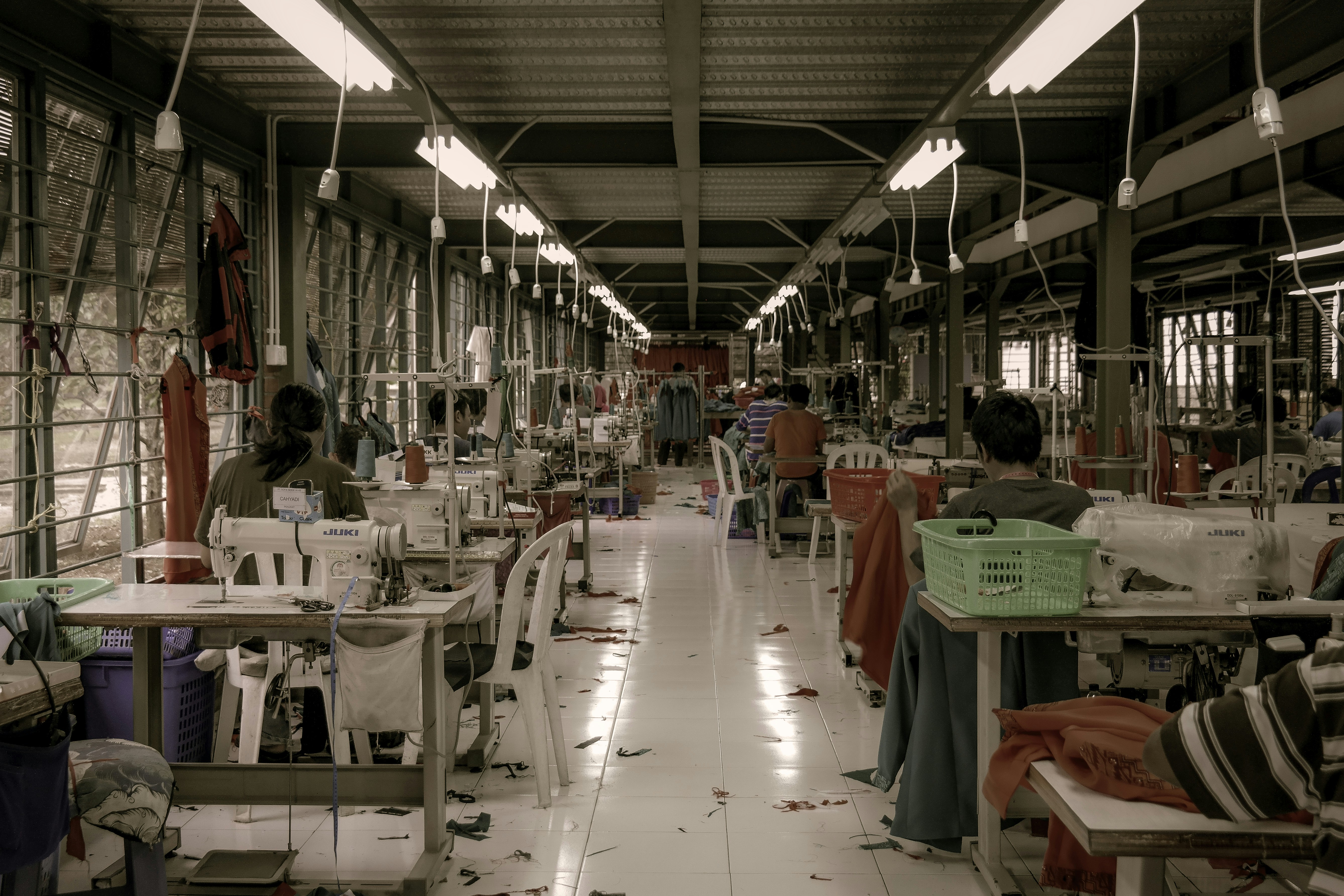
Overview of the Textile and Automotive Industries in North Macedonia
The textile and automotive sectors in North Macedonia have long been integral to the country’s economic landscape, contributing significantly to employment and national output. Historically, the textile industry has roots that date back several decades, marked by a robust tradition of garment manufacturing to cater to both domestic and international markets. Major companies such as TTK, Vardar, and Eurostandard have established a strong presence, serving a diverse clientele across Europe and beyond.
On the other hand, the automotive industry is a more recent but rapidly growing sector. Investments from global automotive giants like Johnson Controls and Kongsberg Automotive have catalyzed the evolution of this industry in North Macedonia. These companies have set up production facilities that manufacture components for vehicles, which not only diversifies the economy but also positions the country as a competitive player in the European automotive supply chain.
The role of foreign investment in both these industries cannot be overstated. Investors from countries like Germany, Italy, and Turkey have identified North Macedonia as a favorable location due to its strategic geographical position, competitive labor costs, and favorable business environment. This influx of foreign capital has resulted in the establishment of various manufacturing plants, which provide substantial employment opportunities for skilled and unskilled labor alike.
In recent years, the textile and automotive industries have shown promising growth trends, adapting to the changing demands of global markets while highlighting their market potential. The expansion of production capabilities continues to reflect a positive outlook for job seekers in North Macedonia, particularly those interested in the textile and automotive parts sectors. Understanding the dynamics of these industries is key for prospective workers aiming to navigate this evolving job landscape.
Job Roles and Responsibilities for Textile and Automotive Workers
The textile and automotive sectors in North Macedonia offer a diverse range of job roles, each with specific responsibilities and skills. Understanding these roles is crucial for potential job seekers and those interested in career development within these industries.
One of the primary positions in the textile industry is that of a machine operator. These individuals are responsible for managing and operating the machinery used to produce fabric and garments. Key tasks include setting up machinery for production, monitoring operations, and maintaining equipment to ensure efficiency and quality. Machine operators are expected to possess a strong attention to detail and the ability to troubleshoot minor mechanical issues.
In conjunction with machine operators, quality control inspectors play a vital role in ensuring that products meet specific standards. Their responsibilities involve inspecting finished textiles or automotive parts for defects, measuring dimensions, and conducting various tests. Quality control inspectors must have a keen eye for detail and excellent analytical skills. They often work closely with production teams to address any issues promptly, thereby maintaining high-quality standards.
Production supervisors represent another essential job role, particularly in the automotive parts sector. These supervisors oversee the production process to ensure that teams work efficiently and safely. They are responsible for planning production schedules, managing staff, and ensuring compliance with safety regulations. Strong leadership and communication skills are critical in this role, as supervisors must coordinate activities across various departments.
Additionally, there are opportunities for specialization within these roles, such as research and development positions focused on textile innovation or automotive design. These positions often require higher education and offer potential career advancement for those willing to pursue further training and qualifications. Overall, the textile and automotive industries in North Macedonia present a broad spectrum of job roles that cater to various skill sets and career aspirations.
Salary Details and Employment Benefits
The textile and automotive sectors in North Macedonia provide a diverse range of job opportunities, each with its own salary scale influenced by various factors including role, experience, and education level. For entry-level positions in the textile industry, the average monthly salary typically ranges from €400 to €600. As workers gain experience and advance to mid-level or supervisory roles, salaries can rise significantly, with figures reaching €800 to €1,200 per month. In highly specialized automotive roles, particularly in engineering and technical services, average salaries may reach between €1,200 to €1,800, reflecting the higher level of expertise and responsibility required.
Moreover, factors such as educational qualifications can also play a crucial role in determining salary levels. Workers possessing advanced degrees or specialized training are often positioned to command higher wages, especially in sectors that prioritize skill development and technical proficiency. Job roles such as quality control inspectors and machinery operators in the automotive sector often provide competitive salaries, with some professionals earning upwards of €2,000 monthly, depending on their niche expertise.
In addition to salary, it is essential to consider employment benefits that accompany these jobs. Many companies in the textile and automotive industries offer health insurance, which can vary in coverage from basic to comprehensive, ensuring that employees maintain good health. Vacation policies frequently include paid time off, standardly around 20 to 25 days per year, promoting work-life balance. Furthermore, retirement plans might also be part of the compensation package, securing financial stability for workers post-employment. Understanding the complete compensation package, including salary and benefits, is vital for potential job seekers aiming to make informed decisions about their career choices in North Macedonia’s expanding job market.
Future Prospects and Resources for Job Seekers
The textile and automotive sectors in North Macedonia are poised for significant evolution, driven by technological advancements and changing market demands. Emerging trends indicate a growing emphasis on sustainability, automation, and smart manufacturing practices. As industries transition towards environmentally friendly practices, workers will need to adapt and acquire new skills. Knowledge in areas such as digital design, automated machinery operation, and eco-friendly production techniques will increasingly become essential for success in these fields.
The rise of Industry 4.0 is transforming traditional job roles within both sectors. Workers familiar with digital technologies, including software for design and automation are likely to be more competitive in the job market. Consequently, education and continuous training will be critical. Many local institutions are developing programs aimed at upskilling workers to meet these new demands. Aspiring job seekers should consider pursuing certifications in related fields to enhance their employability.
For individuals looking to enter the textile and automotive industries, several resources are available. Numerous job boards specialize in these sectors, providing a comprehensive listing of available positions in North Macedonia. Websites such as example1.com and example2.com can be valuable for job seekers. Furthermore, industry associations such as the Textile Association of North Macedonia offer networking opportunities and workshops that can help workers connect with potential employers.
Additionally, there are training programs focused on skill development specific to these industries. Initiatives provided by vocational training centers alongside partnerships with local businesses can enhance practical skills. By leveraging these resources, job seekers can position themselves for success in a dynamic and evolving job market that values innovation and adaptability.
